Share article
Your Guide to Chopping Boards
Share article
A good chopping board is the cornerstone of your meal prep. Whether it's for midweek meal prep, making nibbles for a get-together, or carving meat for a Sunday roast, the choice of cutting board is an integral one for any kitchen.


 Translation missing: en.accessibility.product_link
£100.00
Folio™ Steel 3-Piece Bamboo Chopping Board Set With Black Stainless-Steel Case
Understanding the Different Types of Chopping Boards
Drawing from our 20+ years of expertise, we’ve built a comprehensive, problem-solving range of colour-coded chopping boards that make food prep quick, easy, and efficient – with minimal mess. In this guide, we’ll talk you through every design and each unique feature to help you discover what type of cutting board is best for you.
When it comes to working out what is the best cutting board for you, there are a few things to keep in mind. Thinking about the cooking style and frequency of cooking (Meat-heavy or veg-heavy? Everyday prep or occasional cook?) and hygiene and safety concerns are good ways to help make your decision. It’s also worth considering the aesthetics of the set: do you need a space-saving option such as a set of boards that can be stored under your shelf? Or would a compact stand best suit your decor?


 Translation missing: en.accessibility.product_link
£100.00
Folio™ Steel 4-piece Stone Chopping Board Set With Stainless-Steel Case
Folio™: Chopping board sets with storage cases
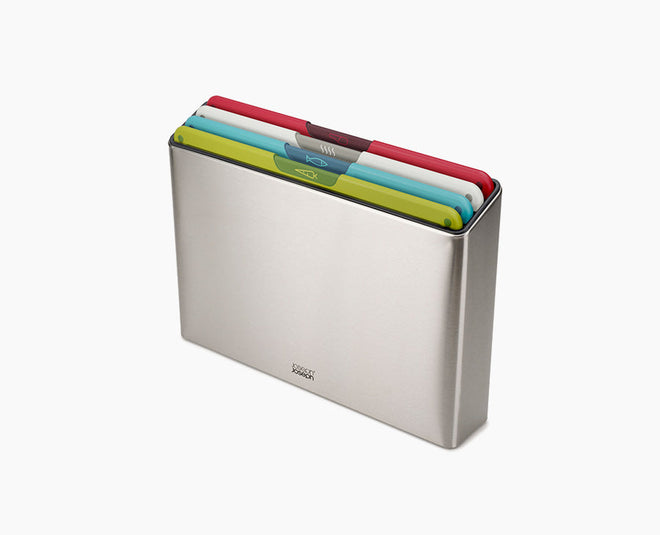
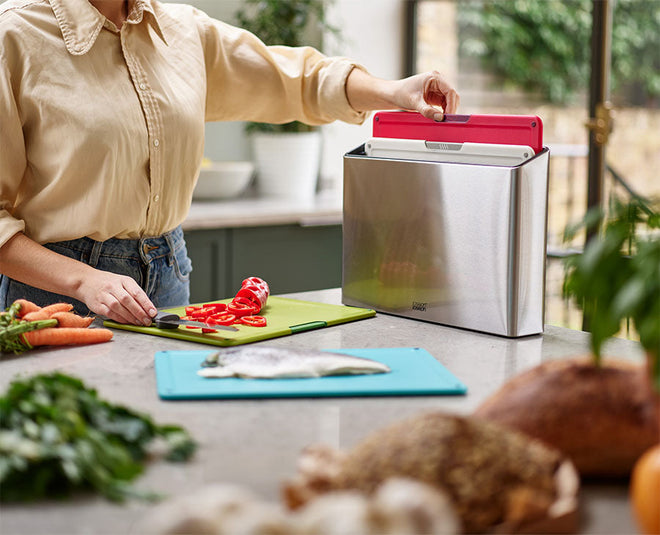
Having multiple boards on hand is quick and convenient, but storage can be a challenge. That's why we designed Folio™: a comprehensive range of non-slip chopping boards with slimline cases for both countertops and under-shelf storage.
Our (anything but) regular Folio™ sets come with a tiered design and four double-sided boards that feature knife-friendly, textured cutting surfaces and non-slip feet for safer chopping. The case holds the boards apart too, allowing air to circulate so they can dry efficiently.
To keep your Folio™ chopping board set in top condition for years to come, replacement boards are available, so you won’t have to replace the entire set if one gets worn or damaged.
Shop Folio™


£100.00
Folio™ Steel 4-piece Stone Chopping Board Set With Stainless-Steel Case


£100.00
Folio™ Steel 3-Piece Bamboo Chopping Board Set With Black Stainless-Steel Case


£48.00
Folio™ Slim 3-piece Under-shelf Multicolour Chopping Board Set
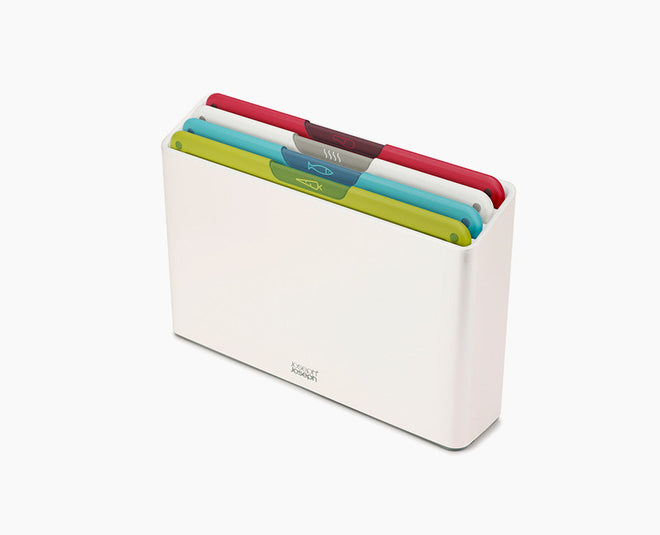
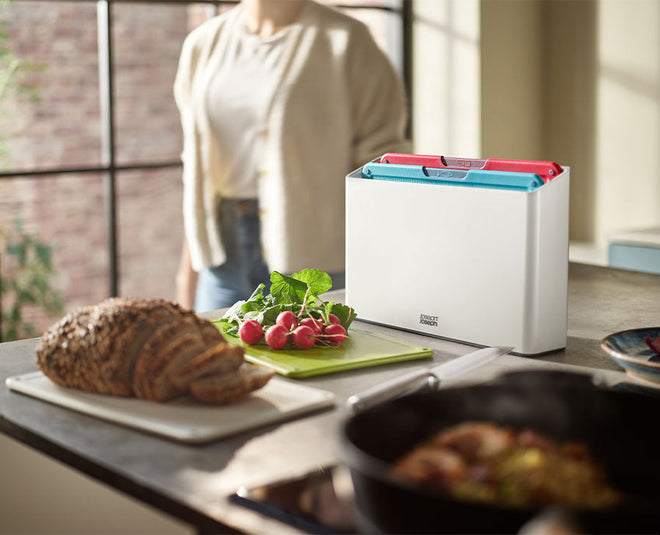
£48.00
Folio™ Icon 4-piece White Chopping Board Set Regular
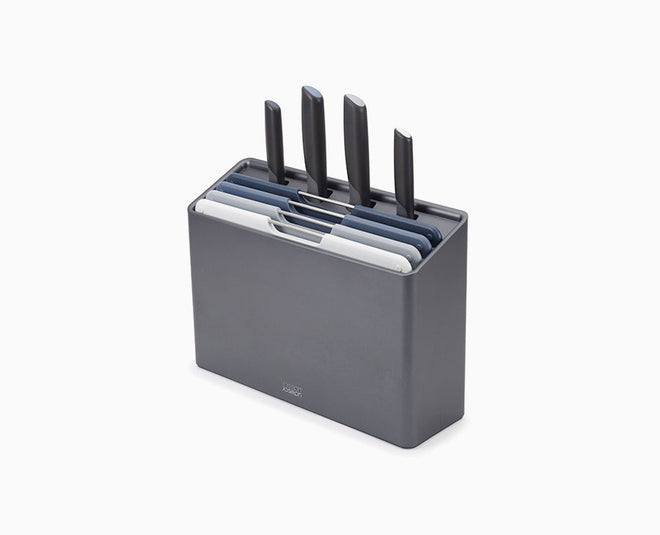
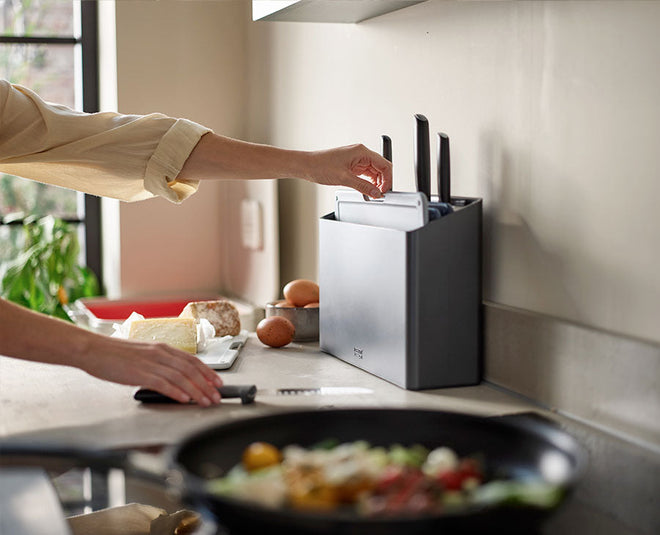
£105.00
Folio™ Plus 8-piece Grey Knife & Chopping Board Set
£100.00
Folio™ Icon Steel 4-piece Multicolour Chopping Board Set


£105.00
Folio™ Steel Bamboo 3-piece Chopping Board Set


 Translation missing: en.accessibility.product_link
£92.00
Nest™ Boards 3-piece Bamboo Chopping Board Set
Nest™: Space-saving and easy-access
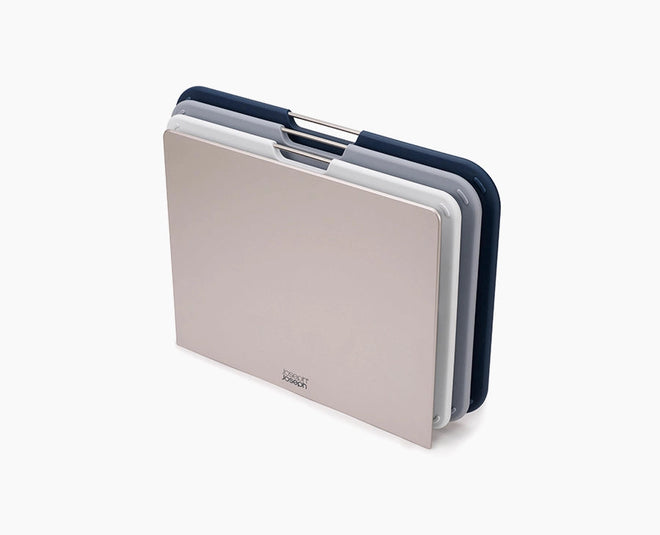
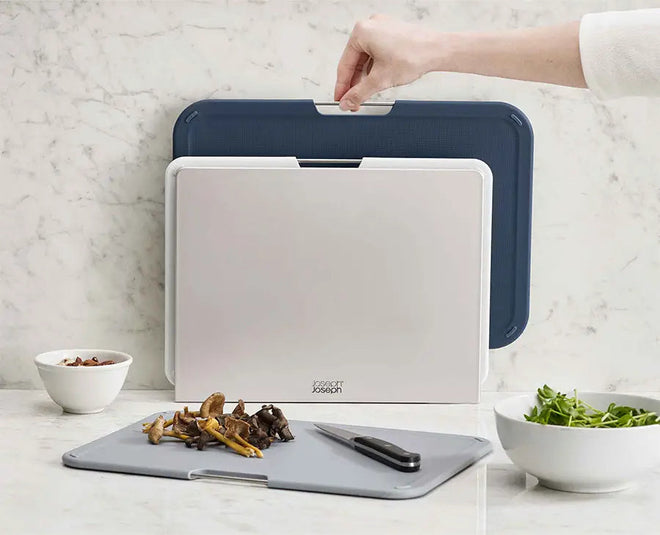
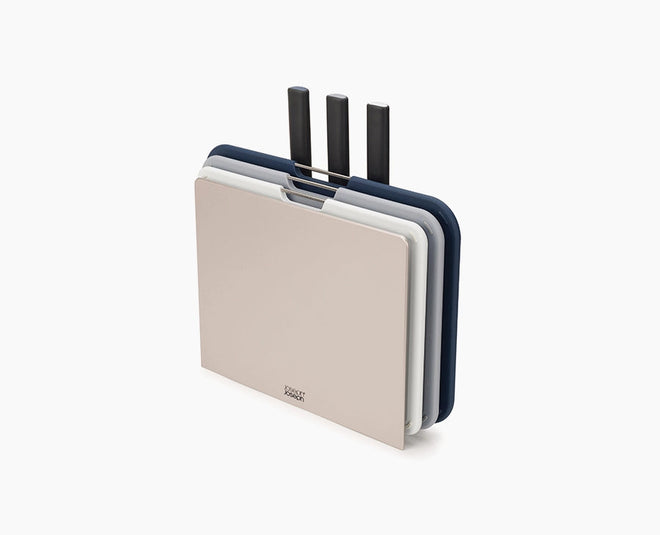
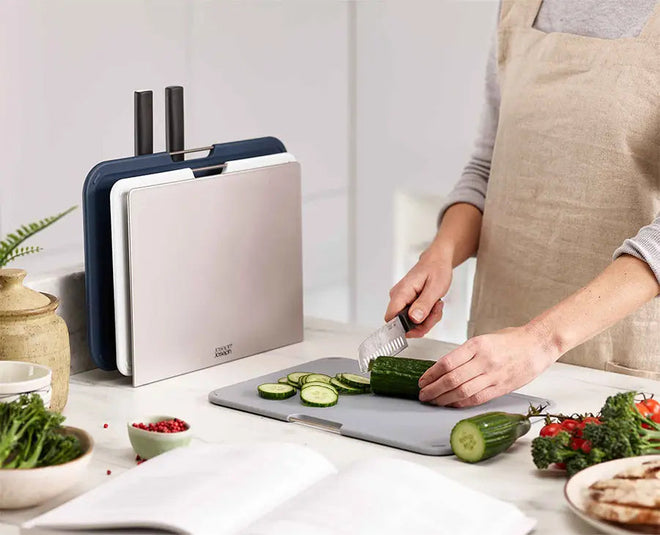
Nest™ is the must-have, space-saving kitchenware range that includes mixing bowls, cookware, utensils, and chopping boards. The 3-piece, colour-coded chopping board sets keep space-saving at their core with a neat, organised storage stand that holds the boards slightly apart to improve airflow. Stainless-steel bars allow for easy board selection from the stand, while the knife-friendly, textured cutting surfaces are a joy to chop on. Available in regular or large sizes, they are designed for all kinds of kitchens and cutting needs.


-


Nest™ Boards 3-piece Bamboo Chopping Board Set
£92.00


-
Nest™ Boards 3-piece Bamboo Chopping Board Set
£92.00
Shop Nest™


£92.00
Nest™ Boards 3-piece Bamboo Chopping Board Set
£58.00
Nest™ Boards 3-piece Grey Chopping Board Set
£85.00
Nest™ Boards Plus 6-piece Grey Knife & Chopping Board Set


 Translation missing: en.accessibility.product_link
£14.00
Chop2Pot™ Plus Black Folding Chopping Board
Chop2Pot™: The original folding chopping board
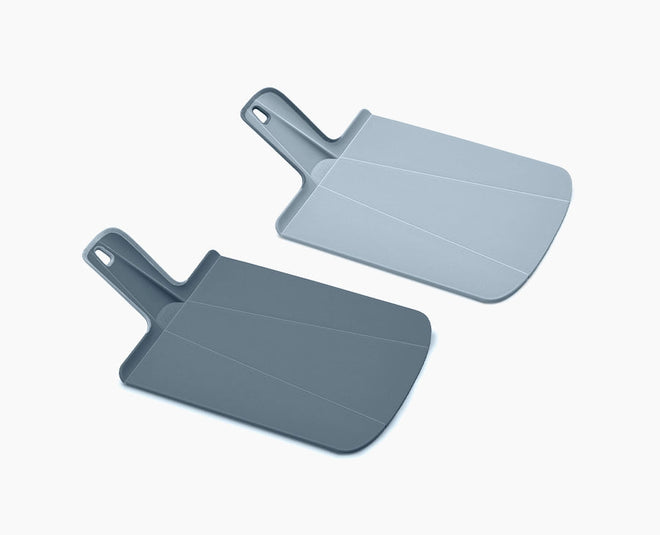
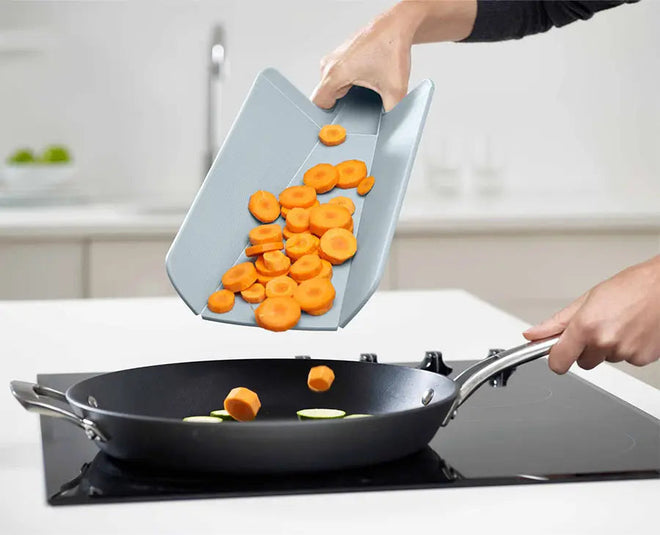
Our award-winning Chop2Pot™ chopping board cuts out the mess of moving chopped food into pans or off-cuts into the compost caddy. The clever, foldable design creates a chute for easy pouring and no-mess food transfer. Simply squeeze the soft-grip handle, and the edges of the board fold.
Available in two sizes, Chop2Pot™ is knife-friendly and non-slip when laid flat, and it comes in a variety of colours. This unique concept is also available in natural bamboo, offering a denser surface for chopping on while maintaining the clever folding design.


-


Chop2Pot™ Plus Black Folding Chopping Board
£14.00


-
Chop2Pot™ Plus Black Folding Chopping Board
£14.00
Shop Chop2Pot™


£17.00
Chop2Pot™ Plus Green Folding Chopping Board


£14.00
Chop2Pot™ Plus Black Folding Chopping Board
£23.00
Chop2Pot™ Plus 2-piece Blue Chopping Board Set


 Translation missing: en.accessibility.product_link
£27.00
Cut&Carve™ Plus Multi-function Black Chopping Board
Cut&Carve™: Multi-function boards
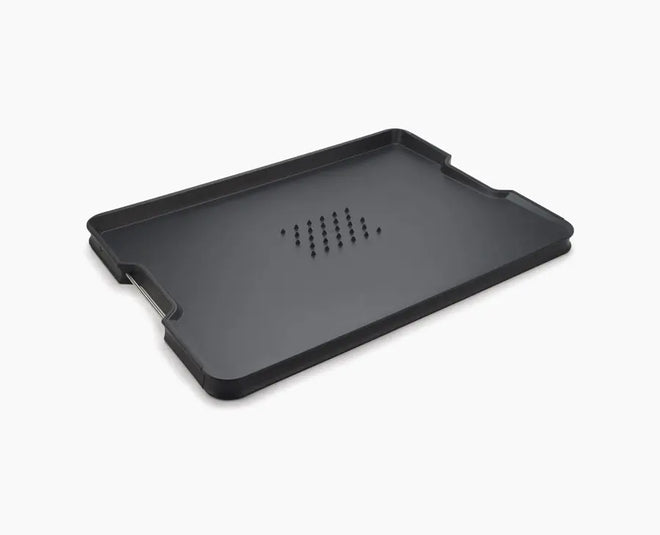
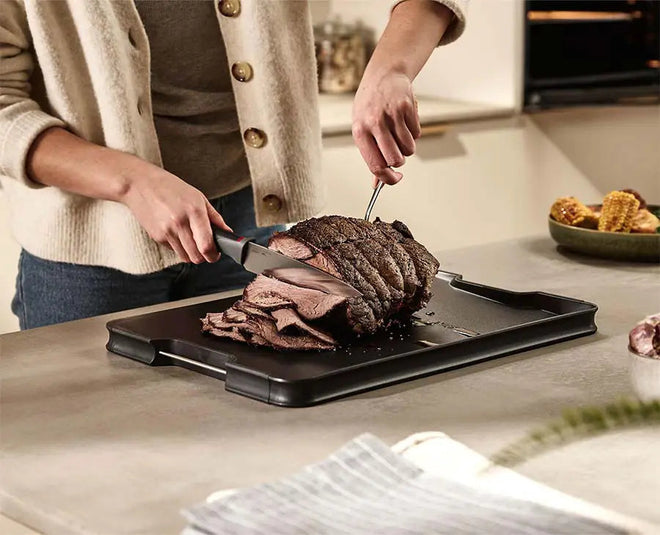
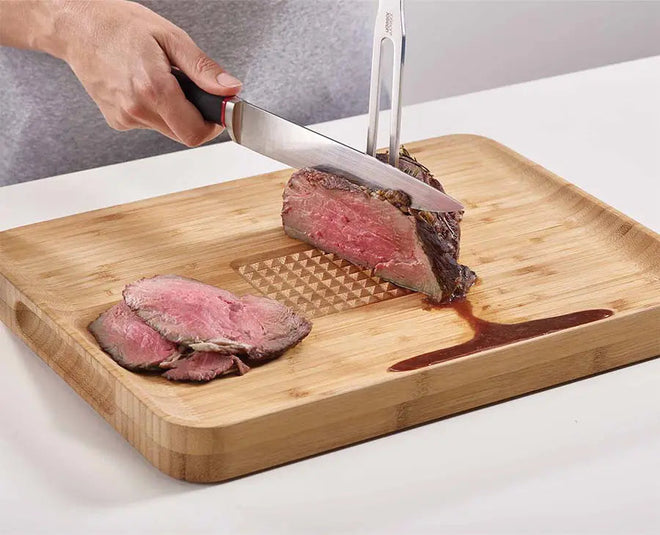
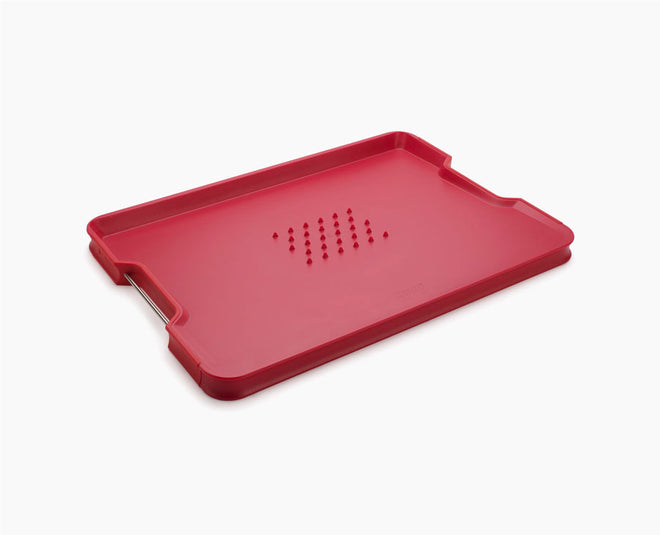
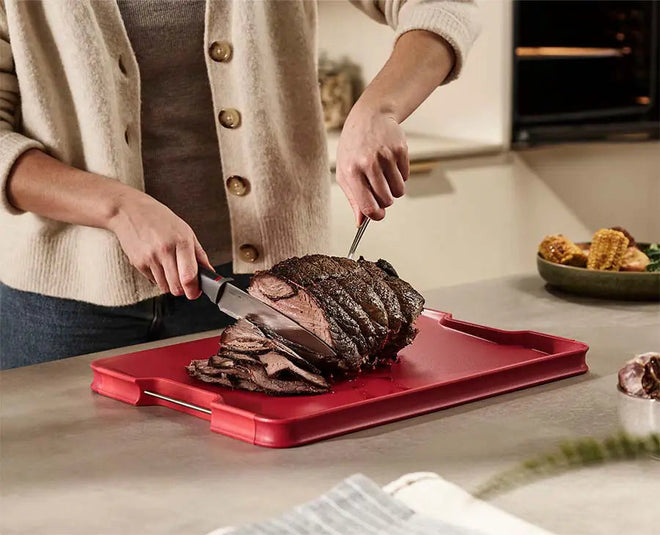
As the name suggests, Cut&Carve™ serves two functions: cutting and carving. Often, large portions of meat can be tough to cut as they slide across the board, and the juices released can drip onto the kitchen surface causing a mess.
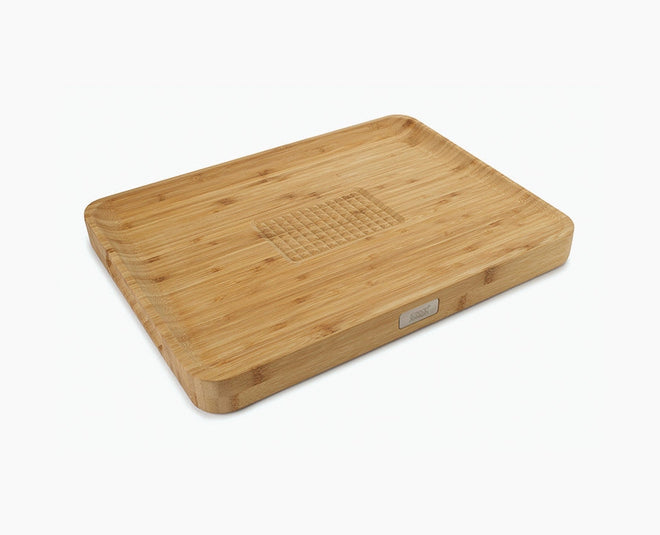
Both sides of this board have a unique sloping base with raised edges to catch juices or crumbs, and there’s an integrated meat grip in the centre of one side of the board for no-hassle carving. Comfort-grip handles, and easy-pour corners mean you can lift the board and pour the juices directly into a gravy or stock. A smooth surface on the other side caters to all other cutting tasks.
Available in both large and extra-large sizes, Cut&Carve™ comes in multiple colourways and a premium bamboo version for a more heavyweight feel.
Inspired? Shop all Joseph Joseph Chopping Boards & Sets and check out our top tips on how to clean a wooden chopping board.


-


Cut&Carve™ Plus Multi-function Red Chopping Board
£27.00


-
Cut&Carve™ Plus Multi-function Red Chopping Board
£27.00
Shop Cut&Carve™
£27.00
Cut&Carve™ Plus Multi-function Black Chopping Board
£27.00
Cut&Carve™ Plus Multi-function Red Chopping Board
FAQs
Is wood or plastic more hygienic for chopping boards?
Wooden boards are said to harbour naturally antimicrobial properties because wood naturally contains oils; while plastic boards offer the hygienic benefit of being dishwasher safe, meaning they will be cleaned with water hot enough to kill bacteria. It’s best to avoid chopping raw or cooked meats on wooden boards because they are porous, and can absorb moisture which is then hard to remove. Plastic boards take on cutting marks with use, and once they are covered in these grooves they can be susceptible to collecting bacteria. The answer for both wooden and plastic boards is to sanitise well after use and to use a proper scrubbing tool for the job.
Do I need separate boards for raw meat and vegetables?
It’s advisable to use wooden boards for vegetables, cheese and breads, and to use plastic boards for raw and cooked meat and fish. That’s because wood is porous and can absorb bacteria, while plastic can go in the dishwasher and be sanitised on a high heat.
What’s the most knife-friendly chopping board material?
Wooden chopping boards are the best option for the longevity of your knives. Wooden boards such as bamboo prevent dulling of knife blades by allowing them to sink slightly into the fibres, unlike hard boards like glass, stone or plastic which can cause chipping.
How do I stop a chopping board slipping on the counter?
A classic tip for avoiding your board slipping while you work is to place a slightly damp tea towel or a silicone mat underneath it. However, our Joseph Joseph boards feature non-slip silicone feet, meaning you never need to worry about them moving around when you’re trying to chop food.
What are the benefits ofcolour-coding boards?
Colour-coding helps reduce cross-contamination by ensuring you always use the same board for the same ingredient. For example, raw meat/fish on one board, veg on one board, and cooked foods on one board. Colour-coded boards are useful for busy households who need to do lots of meal prep or for shared kitchens, as they can be easily spotted in a busy environment.
What cutting board cleaning tips should I always remember?
For longevity of your board, it’s best to clean it immediately after you’ve used it. Wooden boards need to be hand washed (never soaked) and air dried. Plastic boards can be cleaned in a dishwasher. Stains and odours can be removed from wooden and plastic boards with a manual scrub: sprinkle coarse salt on the board, rub it with half a cut lemon, then let it stand for 10 minutes before rinsing. Wooden boards need to be followed up with food-grade oil for optimum performance
What is the best cutting board material?
When making the all-important decision whether to opt for plastic or wood chopping boards, the crucial things to consider are maintenance and knife-friendliness. If ease of clean is paramount, and you need your chopping board to be dishwasher safe, then plastic is a good option. But if your knives are expensive and important to you, bamboo is a safer material to go with.
